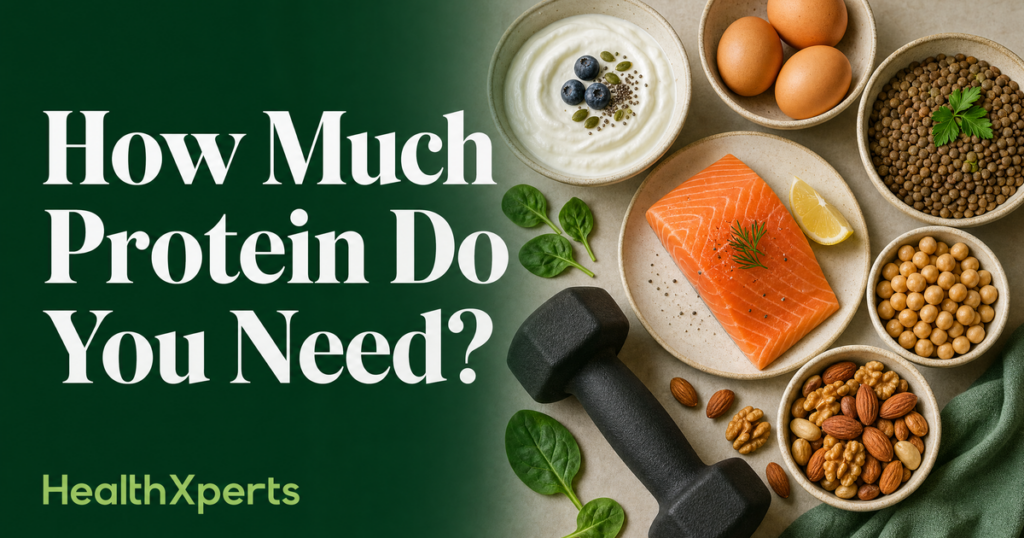
Protein is the one nutrient that almost everyone doing home workouts gets wrong.
Some people eat too little and wonder why they’re not building muscle. Others obsess over it, spending a fortune on supplements they don’t need. Most people simply have no idea how much they’re actually eating.
The truth is, protein doesn’t need to be complicated. Once you understand how much you actually need, and where to get it. Everything else becomes straightforward.
This post gives you the numbers, the food sources, and a simple daily structure you can follow starting today.
Why Protein Matters for Home Workouts
When you train with dumbbells, you create small tears in your muscle fibres. Protein is what your body uses to repair those tears, and in doing so, it builds the muscle back slightly stronger than before.
Without enough protein, that repair process is incomplete. You’ll still feel sore, you’ll still feel tired, but you won’t get the muscle-building results you’re training for.
Protein also plays a key role in:
- Keeping you full. Protein is the most satiating macronutrient, which helps manage hunger and reduce overeating
- Preserving muscle during weight loss, when you’re in a calorie deficit, adequate protein prevents your body from breaking down muscle for energy
- Supporting recovery. Muscles repair overnight, so protein intake throughout the day (and especially around training) matters
In short: you can do everything else right. The workouts, the sleep, the consistency, but if your protein intake is too low, you’ll leave a lot of your results on the table.
How Much Protein Do You Actually Need?
The research is fairly consistent on this. For people doing regular resistance training, the sweet spot is:
1.6g – 2.2g of protein per kg of bodyweight per day
This is the range supported by current sports nutrition research for muscle building and maintenance
Here’s what that looks like in practice:
- 60kg person. 96g to 132g of protein per day
- 70kg person. 112g to 154g of protein per day
- 80kg person. 128g to 176g of protein per day
- 90kg person. 144g to 198g of protein per day
If you’re just starting out, aim for the lower end of that range (1.6g per kg). As your training gets more consistent and intense, gradually move toward the upper end.
You don’t need to hit an exact number every single day. Think of it as a weekly average. Some days you’ll eat a bit more, some days a bit less. What matters is consistency over time.
The Best Protein Sources for Home Workouts
You don’t need expensive supplements to hit your protein target. The following whole foods are affordable, easy to prepare, and widely available.
Animal-Based Sources
- Chicken breast. Approximately 31g of protein per 100g cooked. One of the leanest, highest-protein foods available.
- Eggs. Approximately 6g per egg. Versatile, cheap, and one of the most bioavailable protein sources.
- Greek yoghurt. Approximately 10g per 100g. Works as a snack, breakfast, or post-workout meal.
- Tinned tuna or salmon. Approximately 25g per 100g. Cheap, no cooking required, long shelf life.
- Cottage cheese. Approximately 11g per 100g. High in casein protein, which digests slowly. Ideal before bed.
- Lean beef mince. Approximately 26g per 100g cooked. Filling and easy to batch cook.
Plant-Based Sources
- Lentils. Approximately 9g per 100g cooked. Also high in fibre and iron.
- Chickpeas. Approximately 9g per 100g cooked. Great in salads, curries, or roasted as a snack.
- Tofu. Approximately 8g per 100g. Takes on flavour well when marinated and pan-fried.
- Edamame. Approximately 11g per 100g. One of the highest-protein plant foods available.
- Black beans. Approximately 8g per 100g cooked. Cheap and filling.
If you’re eating a mostly plant-based diet, you’ll need to eat a wider variety of protein sources to ensure you’re getting all essential amino acids. Combining legumes with grains (rice and beans, for example) covers this well.
Do You Need Protein Supplements?
The short answer: no, not if you’re eating well.
Protein powder is just a convenient food source. It’s not magic, it’s not superior to whole foods, and it’s not necessary for beginners. If you can hit your protein target through meals alone, there’s no reason to use supplements.
That said, protein powder can be genuinely useful if:
- You struggle to eat enough protein through food alone
- You have a very busy schedule and need a quick, portable option
- You train first thing in the morning and don’t have appetite for a full meal
If you do use protein powder, whey protein is the most well-researched option for muscle building. For plant-based alternatives, pea protein or a blended plant protein work well.
One scoop typically provides 20–25g of protein. That’s useful, but it’s the same amount you’d get from a tin of tuna, so keep the perspective.
🎯 Want a complete beginner plan?
The free 28-Day Home Workout Blueprint includes nutrition guidance, a workout schedule, and everything you need to get started. All in one place.
Get the Free Blueprint →How to Spread Your Protein Throughout the Day
Eating all your protein in one meal isn’t ideal. Your body can only use so much protein for muscle synthesis at one time. Most research suggests somewhere between 20g and 40g per meal is the effective range.
A simple approach is to aim for 3–4 protein-containing meals per day, each with roughly 25–40g of protein. Here’s what that could look like for a 75kg person targeting 135g per day:
- Breakfast. 3 scrambled eggs + Greek yoghurt = approx. 30g
- Lunch. Tinned tuna with rice and salad = approx. 35g
- Snack. Cottage cheese with fruit = approx. 15g
- Dinner. Chicken breast with vegetables and potatoes = approx. 40g
Total: approximately 120g. Close to target, achievable with normal meals, no supplements required.
Protein Timing: Does It Matter?
You may have heard about the “anabolic window”. The idea that you need to eat protein within 30 minutes of training or you’ll miss out on muscle gains.
The reality is more relaxed than that. While eating protein around your workout is beneficial, the window is several hours wide, not 30 minutes. Total daily protein intake matters far more than exact timing.
A practical approach:
- Eat a protein-containing meal 1–2 hours before training if possible
- Eat another protein-containing meal within 2 hours of finishing
- If that’s not possible, don’t stress, just make sure your daily total is on track
For more detail on what to eat around your workouts, read our post on what to eat before and after a home workout.
How to Track Your Protein Intake
You don’t need to track calories forever, but spending 2–3 weeks logging your food is genuinely eye-opening. Most people either dramatically overestimate or underestimate how much protein they’re eating.
Free apps that make this easy:
- MyFitnessPal. Large food database, easy to use, free version is sufficient
- Cronometer. More detailed micronutrient tracking, good for plant-based eaters
- Nutracheck. Popular in the UK, good for British branded foods
Log your food for a week without changing anything first. See where you actually are. Then make adjustments from a place of knowledge rather than guesswork.
Frequently Asked Questions
Can I eat too much protein?
For healthy people, eating more protein than you need simply means the excess is used for energy rather than muscle building. It doesn’t cause harm. However, very high intakes (above 3g per kg) are unnecessary and expensive without added benefit.
Does protein make you bulky?
No. Eating adequate protein supports muscle repair and maintenance. Getting “bulky” requires years of progressive overload training, a significant calorie surplus, and often favourable genetics. Hitting your protein target will help you look leaner and more toned, not larger.
What if I’m trying to lose weight. Should I eat less protein?
Actually the opposite. When you’re in a calorie deficit, higher protein intake helps preserve muscle mass. Many nutrition researchers recommend hitting the upper end of the protein range (2g per kg) during weight loss phases.
Is plant protein as good as animal protein?
Plant proteins are generally slightly less bioavailable than animal proteins, but the difference is modest if you’re eating a varied diet. Eating a slightly higher total amount and combining different plant sources covers the gap effectively.
Final Thoughts
Protein is the one nutrition lever that makes the biggest difference to your home workout results. Get it right and your training pays off. Our meal prep for beginners guide shows you how to portion a full week of protein-rich meals in 90 minutes. And if you want proof it is working, a simple weekly progress check takes five minutes. Neglect it and you’ll work hard for results that never quite materialise.
The target is simple: 1.6g to 2.2g per kg of bodyweight per day, spread across 3–4 meals, from mostly whole food sources.
You don’t need supplements. You don’t need to obsess over timing. You just need to be consistent.
For a full picture of how nutrition fits into your home workout routine, read our guide to healthy eating for home workouts.
This post contains affiliate links. If you purchase through these links I may earn a small commission at no extra cost to you.
⚖️ Recommended Food Scales. Nicewell Digital Kitchen Scale
⭐⭐⭐⭐⭐ 4.7 stars | 53,000+ reviews | Amazon’s Choice | £19.32 | Accurate to 1g
Check Price on Amazon →